
The Wild Bird Trust presents the hundredth Top 25 Wild Bird Photos! Over the past 100 weeks, 25 000 top class photographs have been showcased from around the world, well done to everyone! Your photographs bring awareness to the amazing diversity of wild birds across the globe. To be considered for next week’s Top 25 you can submit photographs on the Facebook page wall with species, location and photographer as the caption. Have a look at our twitter (@wildbirdrev) and instagram (@wildbirdtrust) pages for a showcase of the previous weeks Top 25.

The female Andean Emerald Hummingbird is solely responsible for building the nest and caring for the chicks. Photographed in Colombia by Owen Deutsch

The Barn Owl was introduced to the island of Hawaii, Kauai to control rodents but they also kill local birds. Photo by Shekhar Mandal

Black-tailed Godwits are near-threatened due to loss of nesting habitat. Photo by Wasif Yaqeen

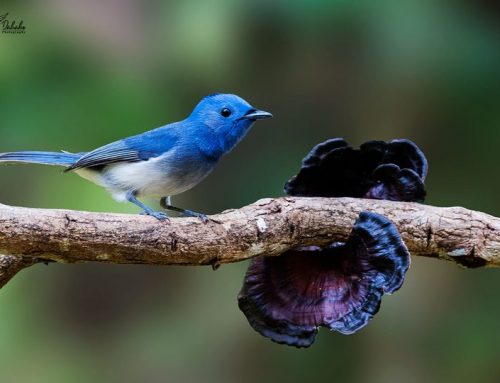
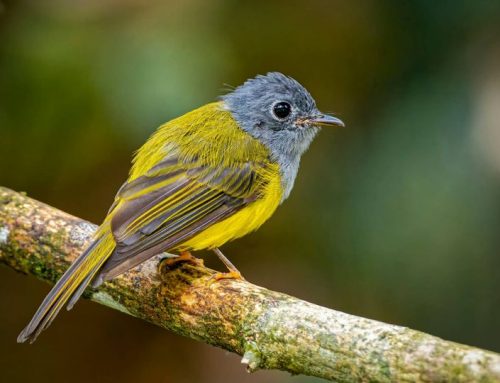
Grey-headed Canary-flycatchers breed in broad-leaved forests. Photo by Ravalnath Joshi

The Himalayan Vulture is the second largest old world vulture, after the Cinereous vulture. Photo by Rajeev Tyagi

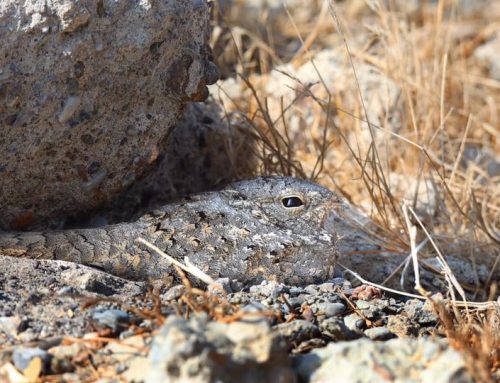
This incredibly well camouflaged Jungle Nightjar lays its eggs in a bare patch on the ground. Photo by Pinakin Patel

Unlike many other rollers, the Indian Roller does not migrate long-distance. Photo by Vishal MÓnakar

The Indigo Bunting is sexually dimorphic, males like this one are bright blue while females are dull brown. Photo by Jack Catalina

The Keel-billed Toucan is native to South America. This one was photographed in Jamaica by Leslie Reagan

The Lilac-breasted Roller uses the ‘sit and wait’ technique to catch prey, watching from the top of trees. Photographed in Tanzania by Sahasrangshu Choudhury

Little Grebes are generally found in freshwater habitats but they have also been known to use saltwater pans and estuaries. Photo by Saswat Mishra

The Little Ringed Plover breeds in Eurasia and overwinters in Africa. Photo by Irtiza Bukhari

The Northern Shoveler breeds across much of northern hemisphere. Photo by Ayan Guin

The Orange-flanked Bush-robin occurs across much of Asia, its population is increasing westward. Photo by Zahran CR

The Oriental Honey Buzzard’s migration is supported by winds over the East China Sea, these winds could be weakened by climate change, making their migration more difficult. Photo by Ämbar Chakraborty

The Osprey occurs on all continents except Antarctica. Photo by Prakash Sahoo

Red-billed Leiothrix are native to southern China and the Himalayas. Photo by Rajeev Tyagi

The Red-crowned Parakeet is native to New Zealand where it is threatened by non-native predators. Photo by Tony Stodard

Fish make up 99% of the diet of the Osprey. Photo by Sathya Vagale

The Scaly-feathered Finch is native to southern Africa. Photo by Brian Culver

The Shikra is favoured by falconers in India and Pakistan. Photo by Rajeev Tyagi

The Stellar’s Sea Eagle is listed as vulnerable, one of the factors contributing to their decline is overfishing. Photo by Mohit Kumar Ghatak

During the breeding season Terek Sandpipers feed mainly on larval midges and seeds. Photo by Aravind Venkatraman

Wilson’s Phalaropes have lobed toes. Photo by Emil Baumbach

The Yellow-wattled Lapwing is endemic to India. Photo by Sailkat Banik
Edited by Christie Craig, Campaign Manager
Our mission is to build a global community around the freedom and beauty of birds in the wild as ambassadors for the natural ecosystems that they depend upon. They are the music, decoration and character of every terrestrial habitat on the planet and have been around since the dinosaurs. They are the witnesses and ambassadors of the awesome power of nature. The wide availability of good, cheap optics has opened their world to us for the last few decades. Amazing, affordable DSLR cameras with long lenses are delivery brilliant digital bird imagery to online communities.
We are in a day-and-age during which more bird species are threatened with extinction than ever before. The Wild Birds! Revolution aims to publish the “Top 25 Wild Bird Photographs of the Week” to 1 million people every week by the end of the year. That is a revolution that will change the world! Join thousands of other weekend naturalists, photographers, birders, experts, hikers, nature-lovers, guides, scientists, conservationists and artists that share the thousands of wild bird photographs submitted to the Wild Bird Trust website and Facebook page. Thousands of wild bird enthusiasts are going out everyday to photograph our planet’s beautiful birdlife. Pick up your camera, fill your bird feeder, open your heart, and join the Wild Birds! Revolution!!
https://voices.nationalgeographic.org/2017/08/04/top-25-wild-bird-photographs-of-the-week-99/




























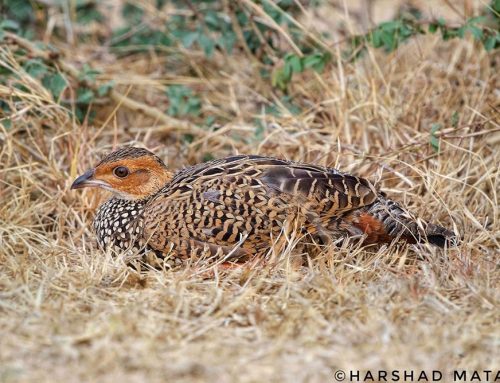


Many thanks Steve Boyce for giving my click a place in top 25 bird shots.
EXCELLENT PICTURES! WHAT ARE THESE BIRDS BEATIFUL! I CANNOT EXPRESS MY SIMILAR LANGUAGE!