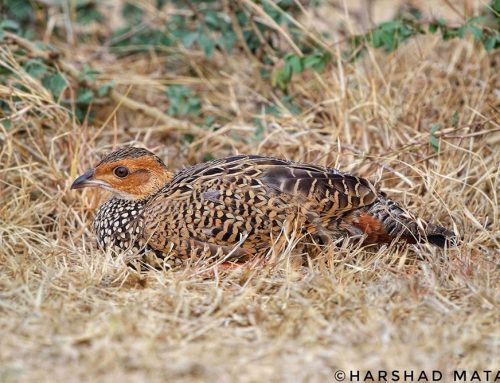
Top 25 birds of the week: Bird Communications!
Birds use song, call notes and behavior to communicate with each other. Birds use sound and action to scare off predators or warn other birds about danger, to attract a mate or to defend one’s territory. Voice is often the most noticeable form of bird communication.
Thank you to all the photographers that submitted photos of birds with the theme #BirdCommunications. We admire birds for their beauty and their ability to fly and most importantly for the role they play in the ecosystem. These pictures create awareness about the variety and beauty of birds in our environment. Here we present the Top 25 photographs of birds of the week.
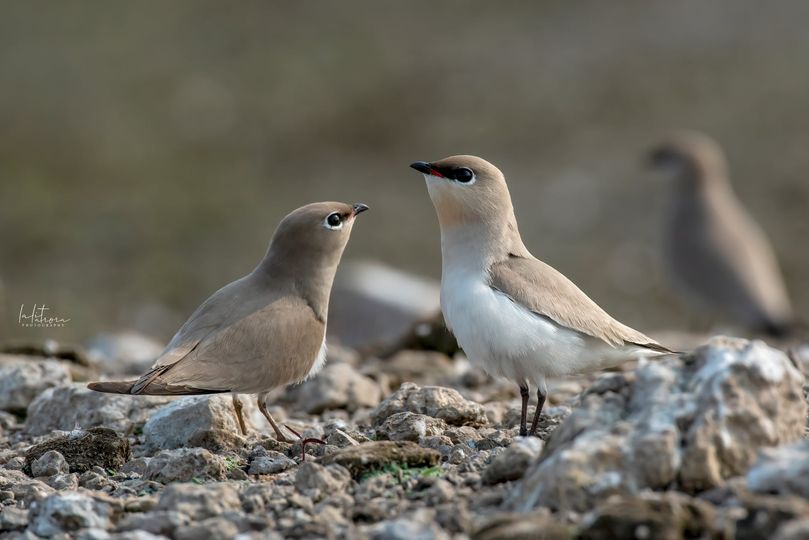
Small Indian Pratincoles (Glareola lactea). Photographed in Bhigwan, Maharashtra, India (Lalit Arora)

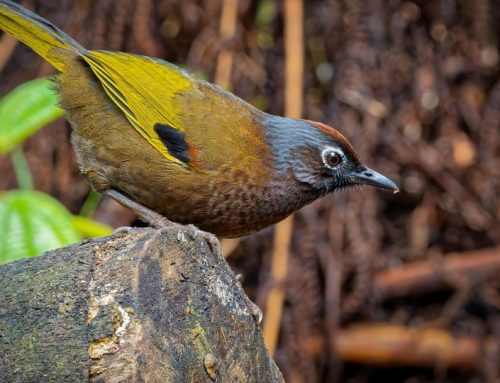
A pair of White-throated Laughingthrush (Pterorhinus albogularis). Photographed in Sattal, Uttarakhand, India (Vidya Vijay Kulkarni)
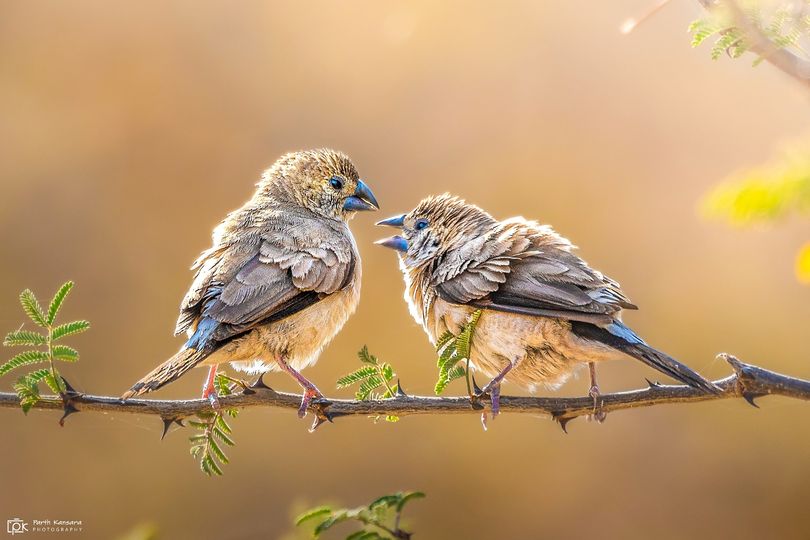
Indian Silverbills (Euodice malabarica). Photographed by (Parth Kansara)
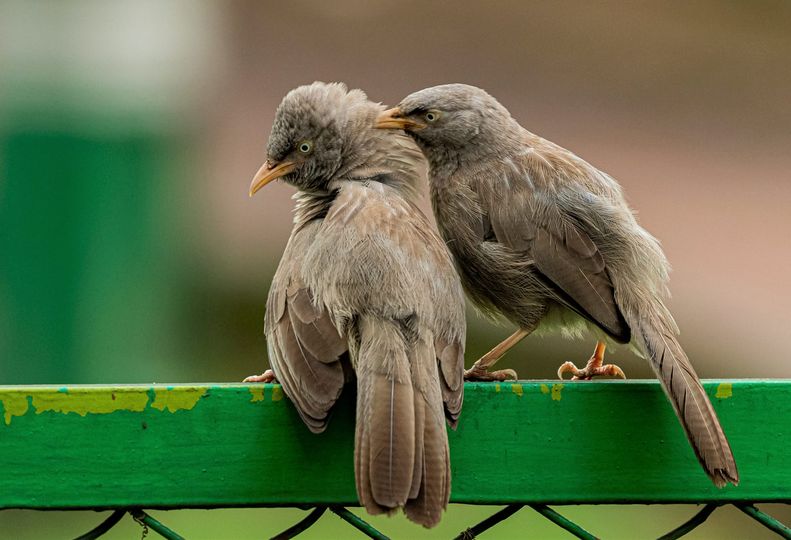
Jungle Babblers (Turdoides striata). Photographed in Kharagpur, West Bengal, India (Gargi Biswas)
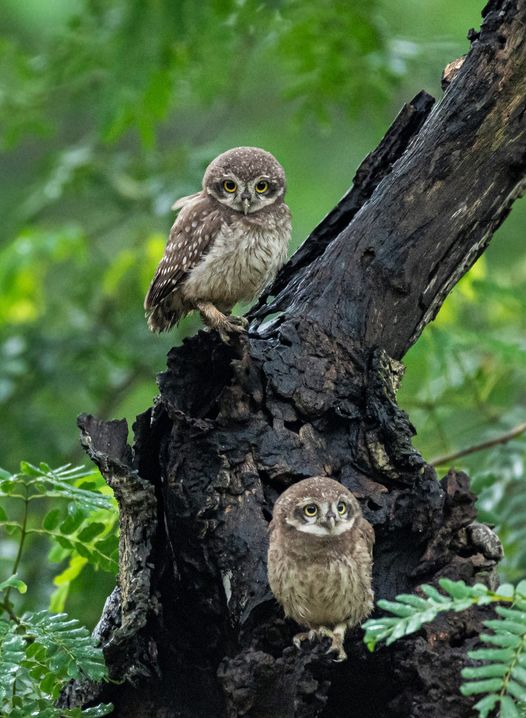
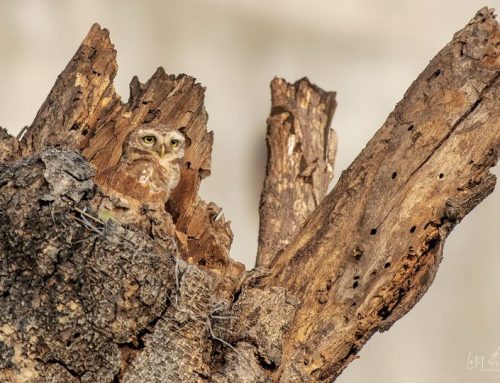
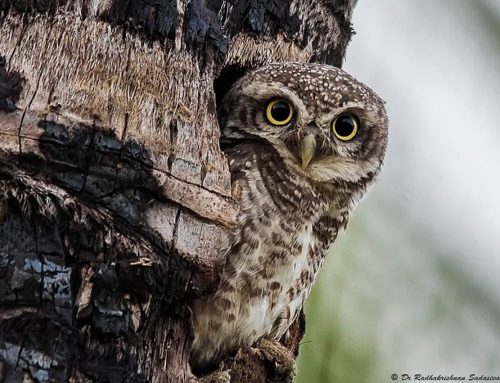
Spotted Owlets (Athene brama). Photographed in Kharagpur, West Bengal, India (Gargi Biswas)

Scaly-breasted Munias (Lonchura punctulata). Photographed in Selangor, Malaysia (Chuan Bulat)
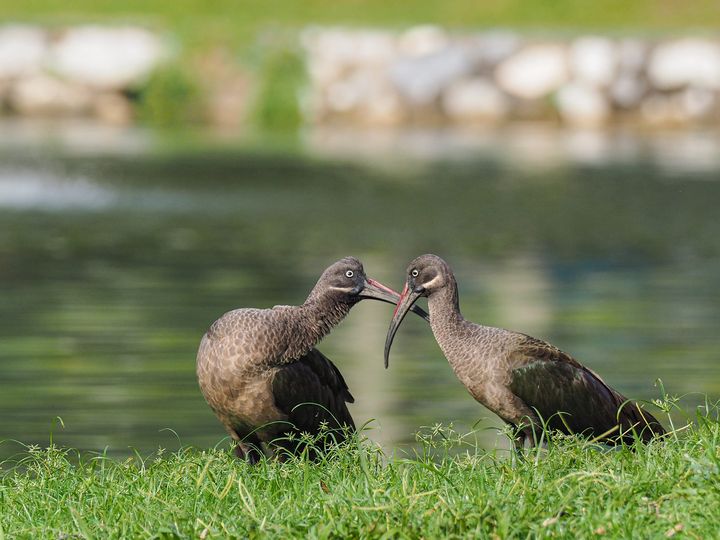
Hadada Ibises (Bostrychia hagedash). Photographed in Kuala lumpur, Malaysia (Chuan Bulat)

Red Avadavat (Amandava amandava). Photographed in Indore, Madhya Pradesh, India (Reitesh Khabia)

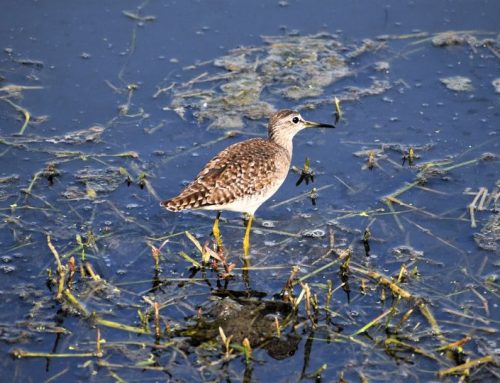
Wood Sandpipers (Tringa glareola). Photogrphed in Indore, Madhya Pradesh, India (Reitesh Khabia)

Spot-billed Pelican with a chick (Pelecanus philippensis). Photographed at the Ranganathittu Bird Sanctuary, Karnataka, India (Sivaraman K)
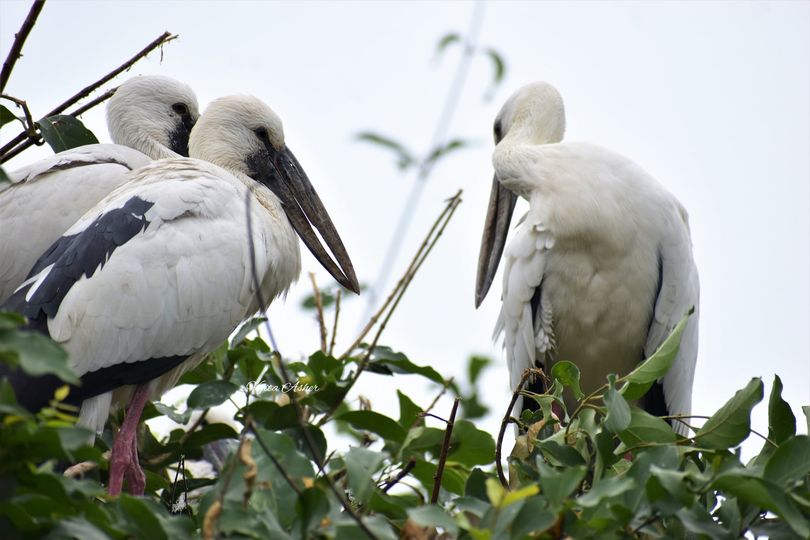
Asian Openbills (Anastomus oscitans). Photographed in Mysore, India (Vijita Asher)

Eurasian Spoonbills (Platalea leucorodia). Photographed in Mysore, India (Vijita Asher)

Sykes’s Larks (Galerida deva). Photographed at Paratwada, Maharashtra, India (Ranjeet Chitrakar)

Himalayan Bulbuls (Pycnonotus leucogenys). Photographed in Chakki Modd, Himachal Pradesh, India (Aziz Khan)
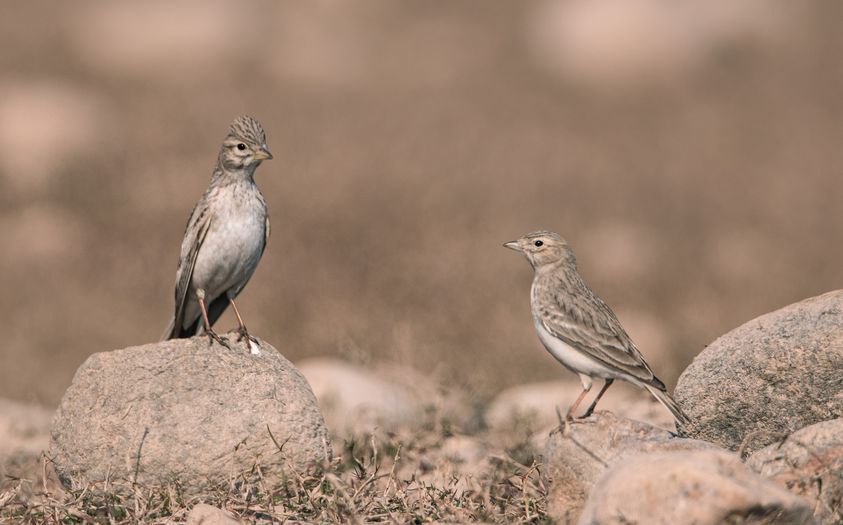
Sand Larks (Alaudala raytal). Photographed at the Pong dam bird sanctuary, Kangra, Himachal Pradesh, India (Aziz Khan)

A pair of Indian White-eyes (Zosterops palpebrosus). Photographed in Bangalore outskirts, India (Rashmi Deshpande)
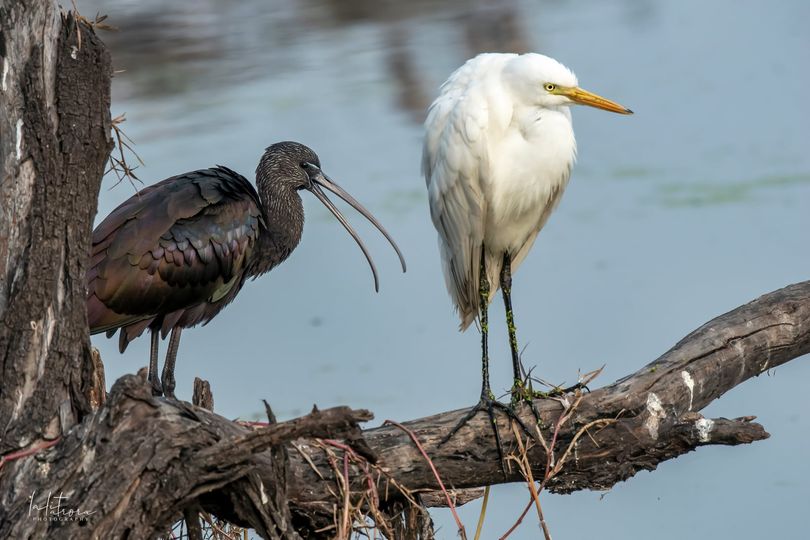
Glossy Ibis (Plegadis falcinellus) with a Cattle Egret (Bubulcus Ibis). Photographed in Bharatpur, Rajasthan, India (Lalit Arora)
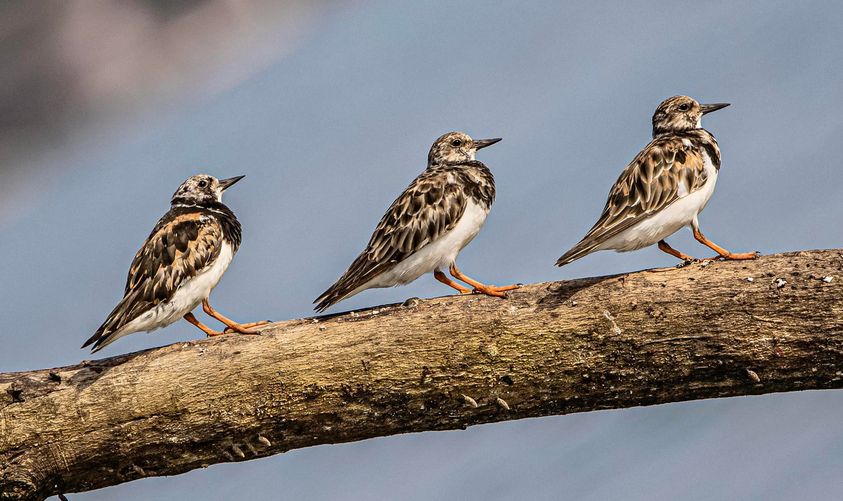
Ruddy Turnstones (Arenaria interpres). Photographed in Kundapura, Karnataka, India (Prabhakar T P)
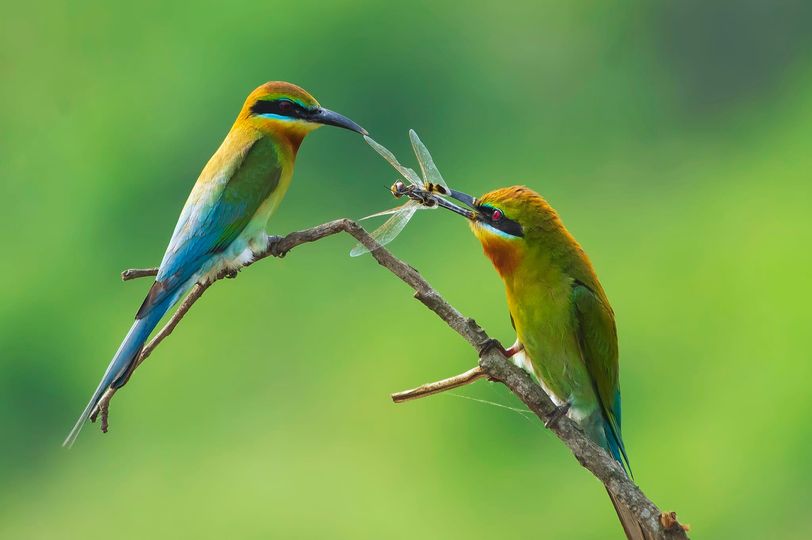
Blue-tailed Bee-eaters (Merops philippinus). Photographed in Jalpaiguri, West Bengal, India (Ritwika Das)

Greater Flamingos (Phoenicopterus roseus). Photographed in Pulicat Lake, Tamil Nadu, India (Vidjit Vijaysanker)

Jungle Babblers (Argya striata). Photographed in West Bengal, India (Anjan Mondal)
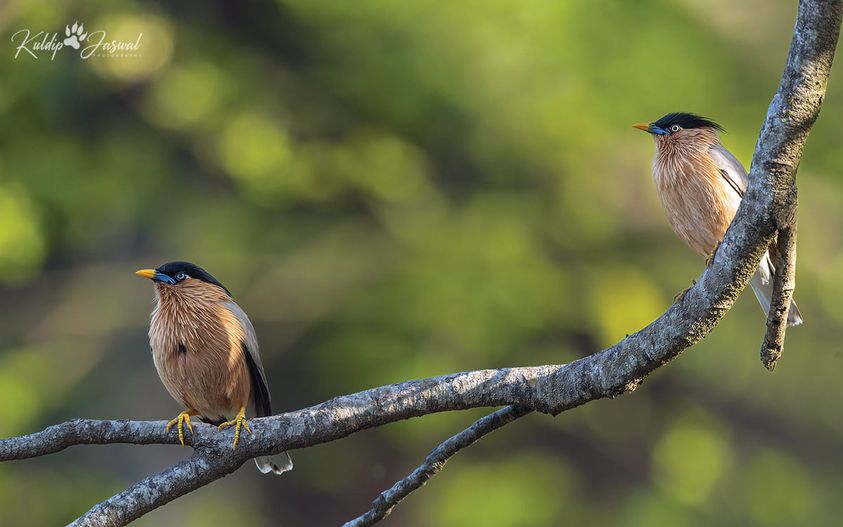
Brahminy starlings (Sturnia pagodarum). Photographed in Chakki Modh, Bhojnagar Road, Kasauli Hills, Himachal Pradesh, India (Kuldip Jaswal)

Chestnut-headed Bee-eaters (Merops leschenaulti). Photographed in West Bengal, India (Sibani Lahiri)

Little Green Bee-eaters (Merops orientalis). Photographed in Jodhpur, India (Lipika Dey)

Rose-ringed Parakeets (Psittacula krameri). Photographed in Kolkata, India (Nandita Bhattacharya)
Our mission is to build a global community around the freedom and beauty of birds in the wild as ambassadors for the natural ecosystems that they depend upon. They are the music, decoration, and character of every terrestrial habitat on the planet and have been around since the dinosaurs. They are the witnesses and ambassadors of the awesome power of nature. The wide availability of good, cheap optics has opened their world to us for the last few decades. Amazing, affordable DSLR cameras with long lenses are delivering brilliant digital bird imagery to online communities. We are in a day-and-age during which more bird species are threatened with extinction than ever before. The Wild Birds! Revolution aims to publish the “Top 25 Wild Bird Photographs of the Week” to 1 million people every week by the end of the year. That is a revolution that will change the world! Join thousands of other weekend naturalists, photographers, birders, experts, hikers, nature-lovers, guides, scientists, conservationists and artists that share the thousands of wild bird photographs submitted to the Wild Bird Trust website and Facebook page. Thousands of wild bird enthusiasts are going out every day to photograph our planet’s beautiful birdlife. Pick up your camera, fill your bird feeder, open your heart, and join the Wild Birds! Revolution!!
Edited by Abigail Ramudzuli, Campaign Manager